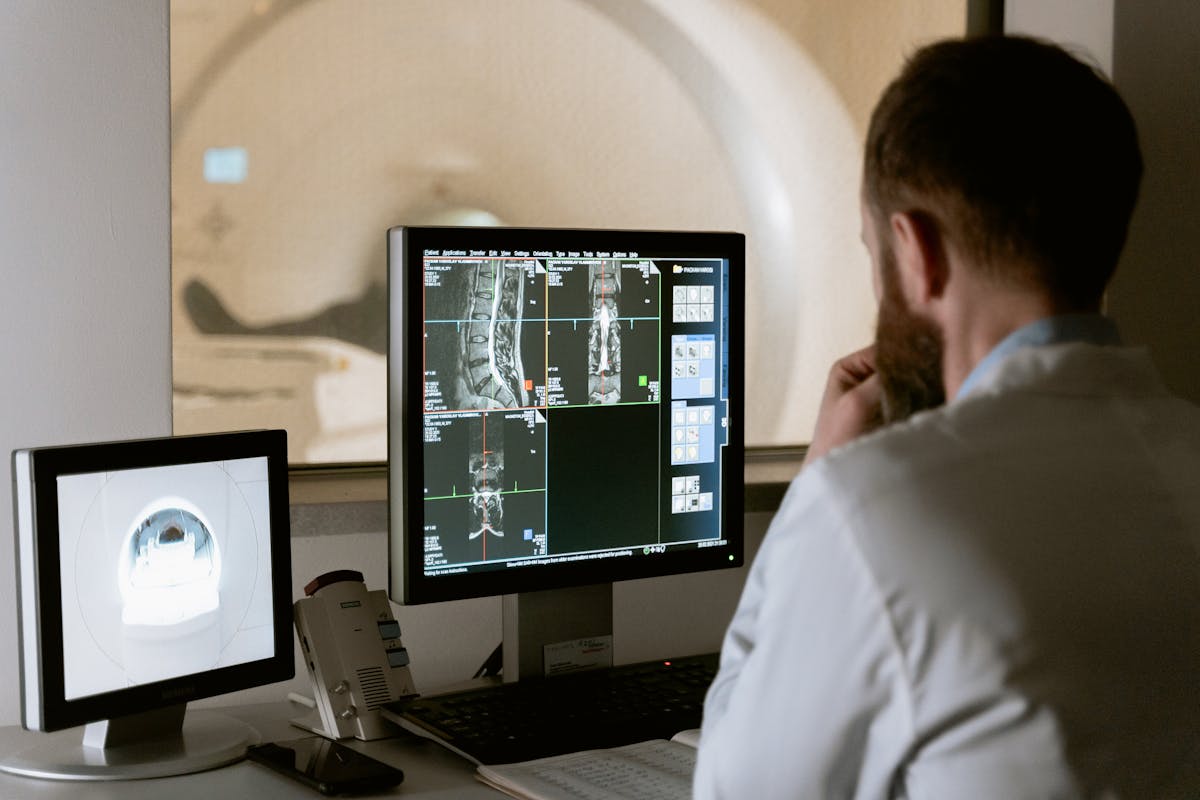
Understanding Healthcare Network Monitoring
In the fast-paced environment of healthcare, ensuring that your network is operating smoothly is essential for providing high-quality patient care. Healthcare network monitoring involves the continuous tracking and analysis of your IT infrastructure, which encompasses everything from electronic health records (EHR) to practice management systems. By implementing a robust healthcare network monitoring strategy, clinics, practices, and medical organizations can enhance operational efficiency while maintaining compliance with regulations like HIPAA.
The Importance of Healthcare Network Monitoring
With the increasing reliance on technology in healthcare, network monitoring has become more critical than ever. A well-monitored network can help prevent downtime, protect sensitive patient information, and optimize EHR performance. Here are some key benefits:
- Enhanced Security: Continuous monitoring helps identify vulnerabilities and potential breaches, which is essential for maintaining HIPAA compliance.
- Operational Efficiency: Real-time insights into network performance can help healthcare organizations respond promptly to issues, minimizing disruptions.
- Data Integrity: Regularly monitoring your network ensures that data flows smoothly between systems, safeguarding the accuracy of patient information.
Key Features of Effective Healthcare Network Monitoring
To achieve optimal results, healthcare network monitoring should include several key features:
- 24/7 Monitoring: A continuous monitoring approach ensures that issues are detected and addressed immediately, reducing the risk of downtime.
- Security Monitoring: Implementing security measures that continuously check for threats and vulnerabilities helps in maintaining patient trust and compliance.
- Performance Optimization: Analyzing network performance allows for fine-tuning, which leads to improved EHR optimization and overall patient care.
Implementing a Healthcare Network Monitoring Strategy
Creating an effective healthcare network monitoring strategy involves several steps:
- Assess Your Current Network: Begin by evaluating your existing IT infrastructure to identify areas that require improvement or enhancement.
- Choose the Right Tools: Select network monitoring tools that are specifically designed for healthcare environments, ensuring they meet HIPAA requirements.
- Establish Protocols: Develop clear protocols for responding to alerts and incidents detected during monitoring.
- Train Your Staff: Ensure that your team is adequately trained to understand the importance of network monitoring and how to utilize monitoring tools effectively.
Case Study: Successful Network Monitoring Implementation
Consider a mid-sized medical practice that recently implemented a comprehensive healthcare network monitoring solution. By utilizing a 24/7 managed IT service provider, they were able to monitor their network effectively, ensuring HIPAA compliance and optimizing their EHR systems. As a result, the practice saw a significant decrease in downtime and an increase in patient satisfaction due to improved access to information.
Choosing the Right Managed IT Partner
Selecting a managed IT service provider that specializes in healthcare network monitoring is essential for success. Look for a partner that offers:
- Expertise in Healthcare IT: Ensure that the provider understands the unique challenges and regulatory requirements of the healthcare sector.
- Comprehensive Services: A partner that provides a full suite of services, including EHR optimization, security monitoring, and practice management, will be more effective in supporting your needs.
- Proven Track Record: Review case studies and testimonials to gauge the provider's success in similar healthcare environments.
At Zevonix, we specialize in healthcare network monitoring, providing a dedicated management layer that ensures HIPAA compliance and optimizes your EHR systems. Our 24/7 managed IT services are designed to meet the unique needs of clinics and medical organizations, allowing you to focus on delivering exceptional patient care.
Conclusion
In conclusion, healthcare network monitoring is vital for clinics, practices, and medical organizations aiming to provide high-quality patient care while maintaining compliance with regulations. By implementing an effective network monitoring strategy and partnering with a trusted managed IT service provider, healthcare organizations can enhance operational efficiency, safeguard patient data, and optimize their EHR systems. Make the investment in healthcare network monitoring today for a healthier tomorrow.